
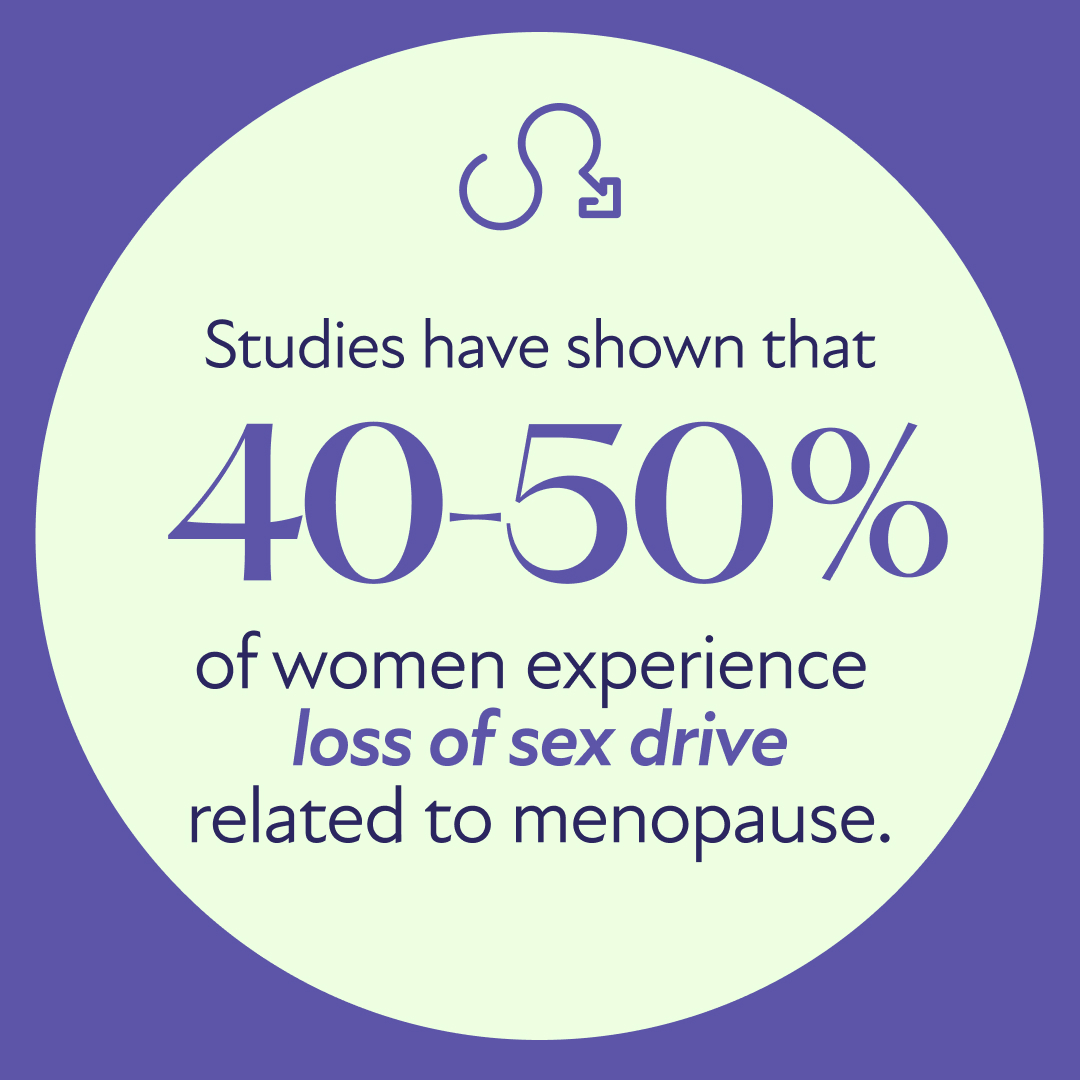
Studies show that about 40% of women going through menopause experience a decrease in sex drive — a statistic that highlights how widespread, yet rarely discussed, this experience truly is.(1)
A change in desire and intimacy during perimenopause and menopause is entirely normal. As hormones fluctuate, many women notice shifts in sexual desire, arousal, and comfort. For some, these changes are mild. For others, they can feel like a loss of intimacy or connection.
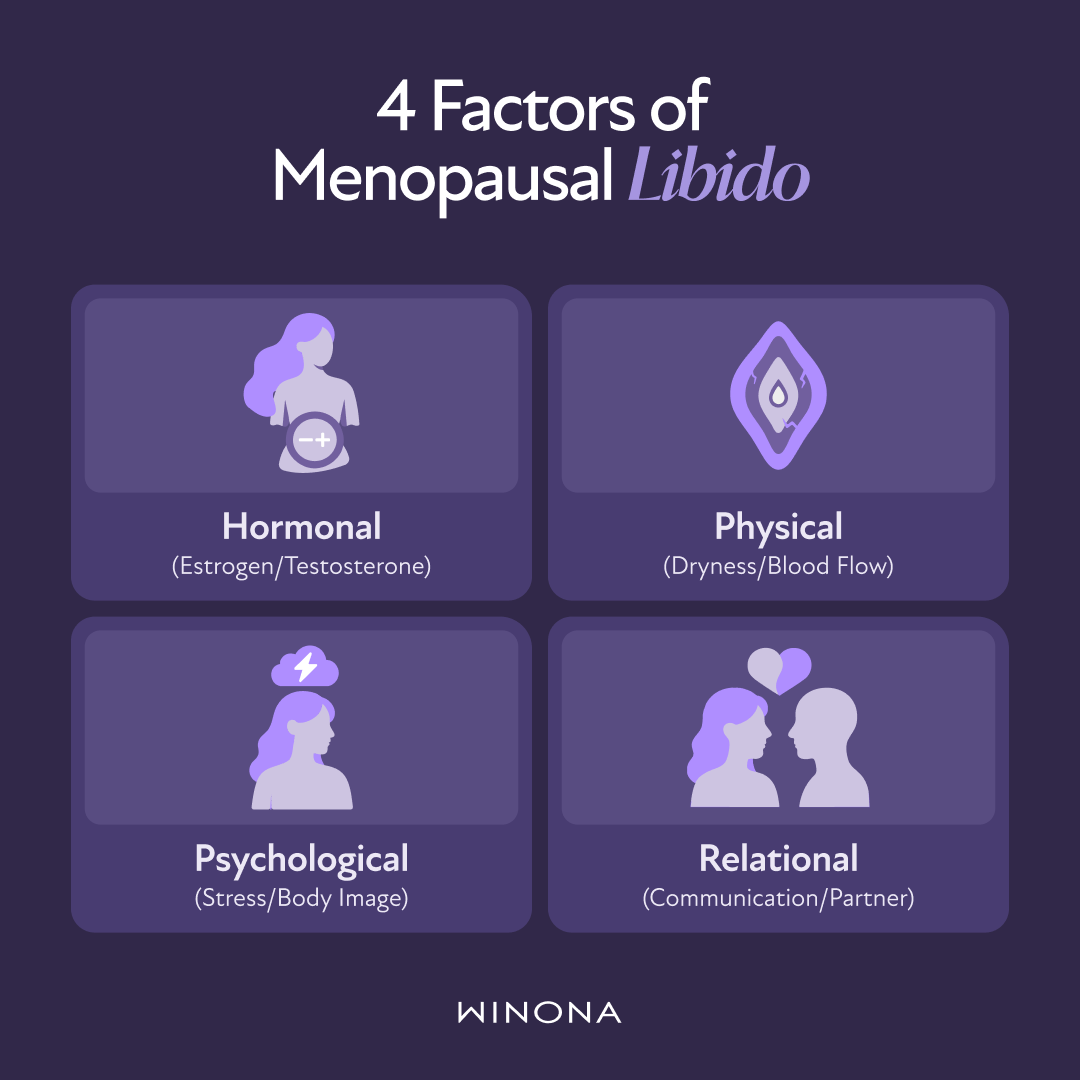
Menopause influences sexual health in a few connected ways — hormonal, physical, and emotional. Estrogen levels influence desire, vaginal tissues, and blood flow. At the same time, stress, fatigue, and changes in body image can also shape how women feel about intimacy.
This article explores why libido changes during menopause and steps to take to restore it.
Why Sex Drive Changes in Menopause: It's More Than Just Hormones
The loss of sexual desire in menopause is not caused by one single factor. It’s a complex interaction between hormonal changes, physical discomfort, and psychological influences. Understanding these layers helps demystify what’s happening in the body and why these changes can affect intimacy.
The Hormonal Factor: Estrogen and Testosterone
Hormones are central to sexual health. Estrogen supports vaginal lubrication, blood flow, and tissue elasticity — all essential for comfort and pleasure. When estrogen levels start to drop during perimenopause, the vaginal lining becomes thinner and less elastic, while blood flow to the genital area decreases.(1)
Testosterone, though present in smaller amounts, also plays an important role in female sexual health. It influences desire, sexual motivation, and sensitivity to stimulation. Changes in its levels can make arousal more difficult and sex less enjoyable.(1)(2)
Together, these hormones work to support sexual well-being. When either falls, the body’s natural pathways for pleasure are disrupted. The North American Menopause Society (NAMS) notes that declining hormone levels during menopause can contribute to reduced sex drive, particularly in women who experience decreased sexual thoughts or interest without clear physical causes.(1)(2)
The Physical Factor: Pain and Discomfort
Physical changes often have the most immediate impact on sex drive. A healthy sexual response depends on the ability to feel aroused and comfortable. Lower estrogen levels can lead to genitourinary syndrome of menopause (GSM), a collection of symptoms that include the following:(1)(3)
Vaginal dryness
Burning or irritation
Discomfort or pain during sex (dyspareunia)
These symptoms are common, affecting up to 45% of postmenopausal women. When physical discomfort or painful intercourse enters the picture, it can understandably reduce desire, pleasure, and self-confidence, often reinforcing frustration.(1)(3)
Restoring moisture and comfort to the vaginal tissues is often the first, and most effective, step toward improving libido.
The Brain Factor: Dopamine and Desire
Estrogen influences more than sexual function and physical comfort — it also affects the brain’s reward and motivation systems. Lower estrogen levels during menopause reduce activity in areas of the brain that regulate sexual interest, particularly those involving dopamine and oxytocin, neurotransmitters that fuel anticipation, arousal, and pleasure.(1)
Elevated cortisol levels from chronic stress also interfere with the brain’s production of both dopamine and oxytocin. When cortisol is more active, sexual thoughts and arousal cues may happen less frequently, even when emotional closeness and intimacy remain strong.(1)(4)
The Psychological Factor: Stress, Sleep, and Body Image
It’s no secret that menopause plays a big part in how women feel about themselves. Psychological and emotional factors are just as real as physical ones, and they often overlap. Altogether, these changes can contribute to a lower sex drive.(1)(3)(4)
Poor sleep from hot flashes or night sweats can lead to fatigue, irritability, and lower energy — all of which can make intimacy feel less appealing or harder to initiate.
Increased stress from work, relationships, or life changes during midlife can interfere with the mechanisms that fuel desire, arousal, and pleasure.
Changes in body composition, including natural shifts in weight distribution, fat-to-muscle ratio, or metabolism, can influence energy levels and physical comfort. These changes may affect how the body responds to arousal or movement during intimacy.
Body image concerns can surface when visible signs of aging — like skin texture, hair changes, or weight fluctuations — alter how a woman perceives herself. These feelings can influence self-esteem and comfort during sexual or emotional closeness.
Mood changes — such as depression, anxiety, or irritability — are common in menopause and can directly lower libido by affecting emotional connection, energy, and motivation.
Research linked to the Journal of Clinical Endocrinology & Metabolism confirms that sexual function in menopause is influenced as much by psychosocial well-being as by hormones themselves.(5)
Recognizing the Signs of Decreased Libido
The term “libido” refers to both sexual interest and pleasure. Many women notice subtle shifts during midlife in how often they think about sex or how easily they become aroused. These changes can happen gradually, and symptoms aren’t always detected until later.(1)(3)(5)
Area of Change | What It Might Look Like | Why It Matters |
Sexual Thoughts | Thinking less often about sex or experiencing fewer sexual thoughts | Reflects reduced spontaneous desire, often linked to hormonal shifts |
Initiation of Intimacy | Feeling less inclined to initiate sexual activity or respond to advances | May signal decreased motivation or interest rather than lack of attraction |
Arousal & Orgasm | Finding it harder to become aroused or reach orgasm | Lower estrogen and testosterone that reduces sensitivity and blood flow. |
Physical Comfort | Experiencing discomfort or pain during sex | Vaginal dryness or GSM can make intimacy uncomfortable, leading to avoidance. |
Overall Interest | Losing interest in sexual activity, including self-stimulation | Indicates a broader reduction in sexual motivation or pleasure |
Emotional Response | Feeling concerned or disappointed by changes in sexual interest or enjoyment | Emotional distress may further reduce desire and confidence. |
Recognizing these signs early can help guide the right kind of support to restore comfort and confidence in intimacy.
How to Boost Libido
Reclaiming sexual interest during menopause is entirely possible. It begins with understanding the cause — whether hormonal, physical, or emotional — and choosing the right combination of treatments. Many women find that a mix of medical, practical, and lifestyle strategies helps restore both comfort and desire.
Medical Treatments to Restore Balance
For women whose libido loss stems directly from hormonal changes, medical therapy can make a profound difference.
Hormone replacement therapy (HRT) supplements declining estrogen levels and can help restore vaginal health, improve arousal, and enhance overall well-being. Systemic HRT (pills, patches, or creams) supports the body’s hormonal balance, while localized vaginal estrogen therapy directly targets vaginal dryness and discomfort.(6)
By restoring estrogen to the tissues, these treatments improve blood flow, restore natural lubrication, and strengthen the vaginal lining.
Testosterone or DHEA therapy may be considered for women with low sexual desire that isn’t fully explained by estrogen loss. Evidence supports its careful, low-dose use in select cases, under the guidance of a physician experienced in menopausal care.(6)
Together, these therapies can reestablish hormonal balance and rekindle natural desire.
Practical Solutions for Comfort and Pleasure
Lubricants and moisturizers offer immediate relief from dryness and discomfort. Water-based or silicone-based lubricants can make intercourse more comfortable, while vaginal moisturizers used several times a week help maintain ongoing hydration.(1)(5)
When selecting a lubricant, it’s important to consider both comfort and safety. Certain silicone or oil-based lubricants can degrade latex toys or condoms and reduce protection against sexually transmitted infections. When choosing products, consider these tips:(1)
Choose fragrance-free, pH-balanced formulas for sensitive skin.
Avoid oil-based lubricants when using latex condoms.
Look for medical-grade or gynecologist-tested brands.
A comfortable body creates the foundation for pleasurable intimacy — reducing pain, restoring confidence, and helping women reconnect with themselves and their partners.
Lifestyle and Wellness Strategies
Small daily habits can make a noticeable difference in sexual health and libido:(8)
Regular physical activity increases blood circulation and releases endorphins, both of which enhance sexual arousal.
Strength training and aerobic exercise boost energy, confidence, and stamina.
A balanced and nutritious diet rich in omega-3 fatty acids, fruits, and vegetables supports vascular health and hormone metabolism.
Limiting alcohol and avoiding smoking or secondhand smoke protects circulation and tissue health.
Stress management, through yoga, meditation, or deep-breathing exercises, is essential to lower cortisol levels — improving mood and readiness for intimacy.
Avoiding irritants like scented soaps, bath products, or douches helps preserve the natural vaginal environment.
Pelvic floor exercises go a long way to strengthen the muscles involved in orgasm and sexual satisfaction.
Emotional and Relationship Tools
Sexual connection thrives on communication, understanding, and emotional closeness. Open conversations about needs, comfort, and expectations can ease anxiety and rebuild intimacy.
For some, professional support can be valuable when emotional or relationship concerns are at the forefront of sexual confidence.(1)(3)(7)
Cognitive behavioral therapy (CBT) can help manage negative thought patterns that affect desire.
A sex therapist or counselor can provide a safe, structured way to rebuild comfort and communication around intimacy.
Couples therapy encourages mutual support and understanding between partners navigating this transition together.
Counseling can help manage mood symptoms like depression, anxiety, and other mental health challenges that arise during menopause.
Addressing both the mind and body is often what helps women feel like themselves again — emotionally secure and physically ready to reconnect.
Solutions for Low Libido
If the issue is... | Consider... |
Painful sex, vaginal dryness, or burning | Lubricants & vaginal moisturizers for comfort; Vaginal estrogen therapy to restore moisture and elasticity; DHEA therapy for tissue health |
Lack of desire or arousal | Systemic HRT (estrogen and progesterone) to rebalance hormones; DHEA therapy in select cases; Regular exercise and stress management to support dopamine and oxytocin activity |
Difficulty reaching orgasm | Pelvic floor exercises to improve blood flow and sensitivity; DHEA therapy for sexual motivation; Stress reduction techniques to enhance arousal pathways |
Low energy, fatigue, or sleep issues | HRT to stabilize hormone fluctuations; Sleep hygiene strategies; Physical activity to increase stamina and circulation |
Emotional distance or relationship strain | Sex therapy, couples counseling, or cognitive behavioral therapy (CBT) to rebuild communication, confidence, and connection |
Body image or self-esteem concerns | Supportive counseling; Strength training or movement that enhances confidence; Mindfulness or relaxation techniques to improve body awareness |
Stress, anxiety, or mood changes | Stress reduction practices (yoga, meditation, deep breathing); Therapy for mood management; Lifestyle adjustments that lower cortisol levels |
General menopausal symptoms affecting intimacy | Comprehensive hormone therapy plan tailored by a menopause-trained physician; Combination of medical, physical, and emotional support strategies |
Reclaiming Confidence and Intimacy
Menopause may bring profound change, but it does not signal the end of desire or pleasure. Understanding how hormonal shifts, physical changes, and emotional factors intertwine allows women to take back control of their sexual health.
With the right care, a healthy sex life can be reinvigorated, intimacy rediscovered, and confidence restored. Every woman’s journey is unique, but no one has to face it alone.
Experiencing menopausal symptoms? Discover if HRT is right for you.
If menopause has affected sexual health or comfort, support is available. Take Winona’s brief menopause quiz to explore personalized treatment options and take the first step toward feeling like yourself again.