
For many women, the years surrounding menopause bring changes that extend far beyond the physical. Feelings of sadness, emptiness, or emotional disconnection can surface without a clear reason — sometimes so unlike their usual selves that it feels disorienting. This is not a sign of weakness or a normal part of aging. It’s a biological response to hormonal fluctuations that directly affect the brain’s chemistry.
During perimenopause and menopause, estrogen levels fluctuate and eventually decline. Because estrogen helps regulate neurotransmitters like serotonin — a key chemical involved in mood and emotional stability — these hormonal shifts can increase the risk of depression.
Research shows that women in midlife are up to four times more likely to experience depression during this transition. These changes are real, physiological, and, most importantly, treatable.(1)
Effective treatments exist to address the root hormonal cause, helping women restore balance and reclaim a sense of self.
The Biological Link: How Hormonal Shifts Can Trigger Depression
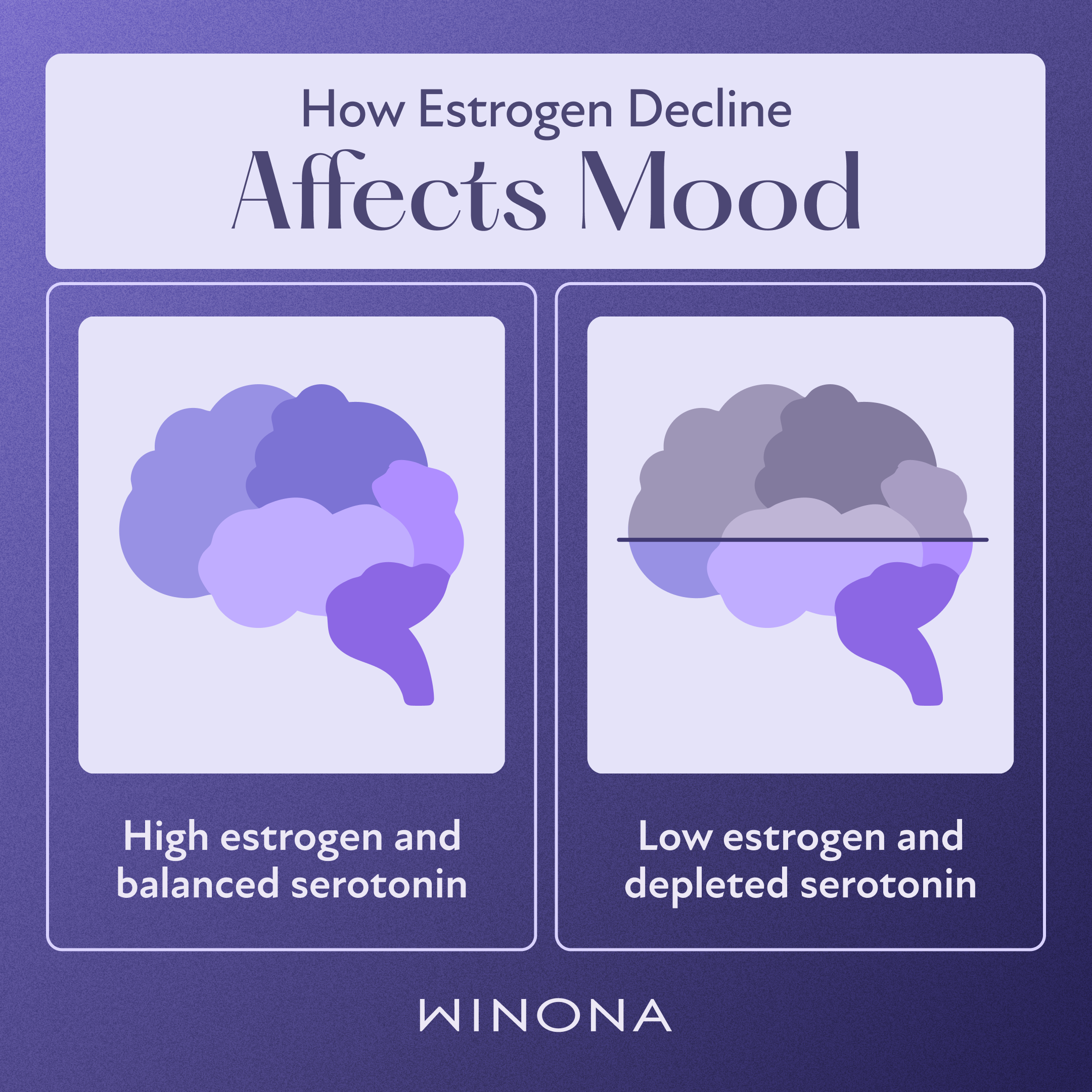
Depression during perimenopause and menopause is not simply an emotional reaction to life changes — it is deeply rooted in biology. Estrogen, one of the body’s key hormones, acts as a master regulator in the brain. Beyond its reproductive role, estrogen influences how neurons communicate, regulates the release of brain chemicals like serotonin and dopamine, and helps maintain the structure and function of neural circuits involved in mood and cognition.(1)(2)(3)As estrogen levels fluctuate and decline during the menopausal transition, this delicate balance is disrupted. Estrogen helps increase serotonin production, enhances its receptor sensitivity, and slows its breakdown. When estrogen levels drop, serotonin levels often fall as well, reducing the brain’s ability to stabilize mood and emotional responses.(1)(2)(3)

Estrogen doesn’t just influence mood — it helps the brain make and use serotonin. When estrogen levels fluctuate, serotonin signaling can drop, and that’s when women often begin to feel emotionally different or detached.
This disruption may feel much like static in a signal: the brain’s communication pathways for pleasure, motivation, and calm become less clear, leading to persistent sadness, anxiety, and loss of interest in once-enjoyable activities.
The Penn Ovarian Aging Study — a long-term investigation into women’s midlife health — found that the risk of developing depression increased fourfold during the menopausal transition. Researchers linked this heightened vulnerability to the steep hormonal changes unique to this life stage.(1)(4)
The relationship between estrogen and serotonin can be visualized as follows:
Estrogen Level | Effect on Serotonin | Resulting Impact on Mood |
Stable/High | Supports serotonin production and receptor activity | Balanced mood, emotional resilience |
Fluctuating | Causes irregular serotonin signaling | Mood instability, irritability, and anxiety |
Low | Reduces serotonin levels and slows transmission | Persistent sadness, fatigue, and loss of motivation |
This connection helps explain why menopause can so profoundly affect emotional well-being. These changes are not imagined or purely psychological — they are the brain’s physiological response to hormonal imbalance. Recognizing this link is the first step toward finding effective treatment and restoring emotional equilibrium.
Recognizing Menopausal Depression: More Than Just a Bad Mood
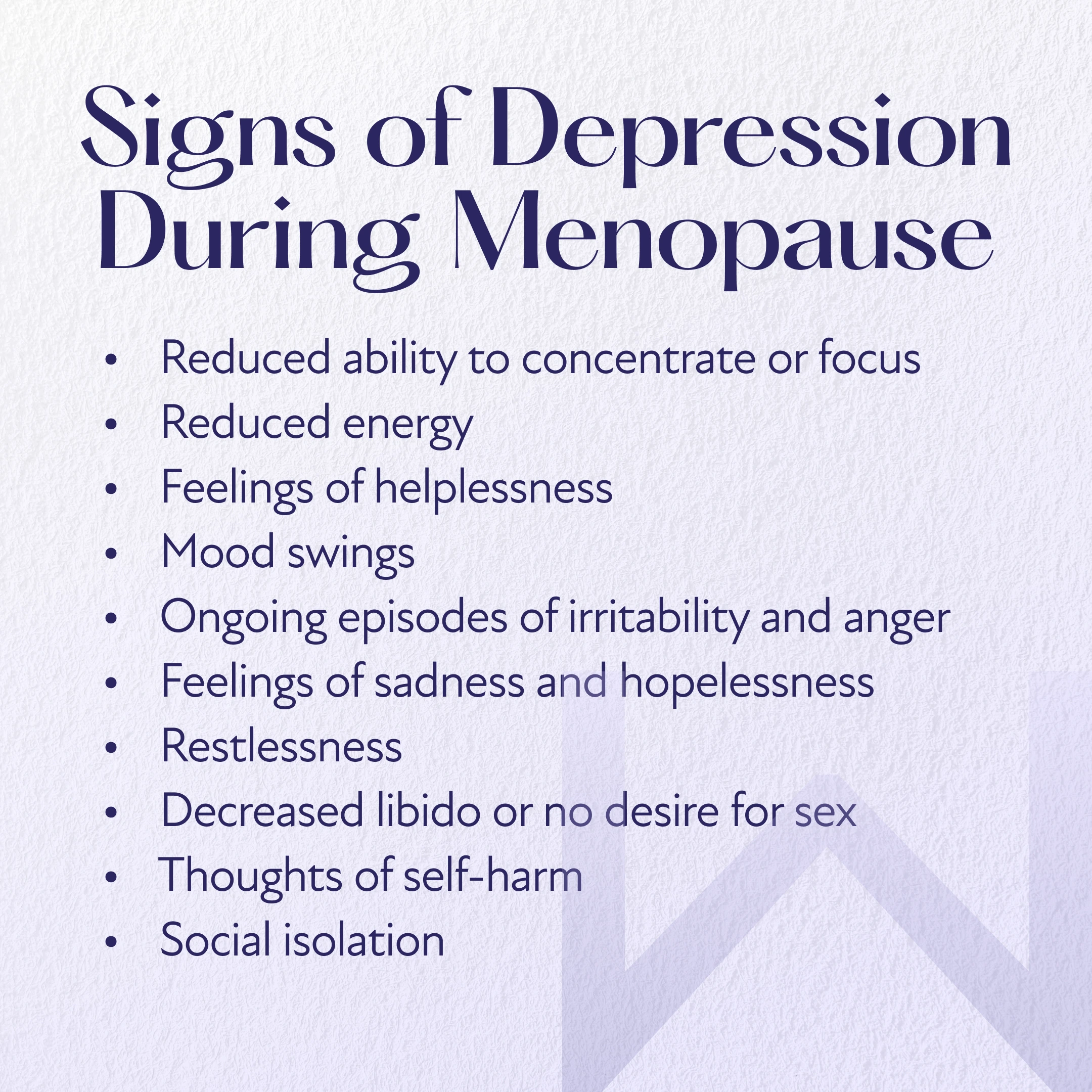
Many women describe menopause-related depression as “not feeling like myself anymore.” While occasional sadness or irritability is common, menopausal depression extends far beyond temporary mood changes. It’s a sustained state that affects energy, focus, motivation, and overall sense of joy.
Hormonal fluctuations during perimenopause and postmenopause can intensify symptoms of depression or trigger them for the first time. These shifts can interact with other menopause symptoms — such as hot flashes, night sweats, brain fog, and sleep disturbances — amplifying fatigue and emotional distress. Over time, poor sleep and chronic exhaustion can further deplete serotonin and cortisol balance, deepening depressive symptoms.(3)(4)
Clinical signs of menopausal depression may include the following:
Persistent low mood or frequent tearfulness
Loss of interest or pleasure in once-enjoyable activities
Fatigue or low energy
Sleep difficulties (insomnia or oversleeping)
Changes in appetite or weight
Difficulty concentrating or making decisions
Feelings of worthlessness, guilt, or hopelessness
Feeling numb or a lack of emotion
Increased irritability or anxiety
Physical aches without a clear cause
For some, these symptoms can overlap with “classic” menopause complaints, making depression harder to identify. However, the key feature of menopausal depression is persistence — it does not simply pass with rest or stress reduction.
Life Stressors and the Emotional Weight of Midlife
Midlife often brings new emotional and social pressures that can magnify the effects of fluctuating estrogen. Responsibilities such as caring for aging parents, supporting adult children, navigating relationship changes, or managing career transitions can all add significant strain.(1)
These life stressors don’t cause depression on their own, but they can intensify emotional fatigue and make the brain more sensitive to hormonal imbalance. When combined with menopause symptoms, the result can be a greater susceptibility to persistent low mood.(5)
Being aware of signs early on is essential. With proper care, including evaluation by a physician and evidence-based treatment, emotional balance and mental clarity can be fully restored.
Vulnerability Factors: Why Some Women Are More Affected
Not every woman experiences depression during menopause. Researchers describe this difference through what is known as a “window of vulnerability.” During this period of hormonal fluctuation, certain biological and psychological traits can make some women more sensitive to estrogen changes in the brain.(2)
A personal or family history of depression is one of the strongest predictors, doubling the likelihood of developing depressive symptoms during the transition. Other factors include the following:(1)(2)
Longer or more symptomatic perimenopause
Surgical menopause, after hysterectomy
Sedentary lifestyle
A history of premenstrual syndrome
Traits, such as a lower tolerance for stress or heightened emotional sensitivity, may also increase risk. Likewise, women who view menopause negatively may be more reactive to the hormonal shifts of midlife.(1)(2)
Recognizing these vulnerability factors helps identify who may benefit from early support and intervention, before symptoms become more disruptive.
A Full Spectrum of Treatment Options for Menopausal Depression
There’s no single path to recovery from menopausal depression, but there are many effective ones. The most successful approach addresses both the biological and emotional aspects of this condition. Because hormonal fluctuations are a core driver, treatment often includes strategies to restore balance — either through hormone therapy or, when not possible, through medications and lifestyle support that help stabilize brain chemistry.
Clinical research confirms that addressing the hormonal root cause offers the best chance for lasting relief. Estrogen therapy, for example, has been shown to provide neuroprotective effects — supporting serotonin production, improving blood flow to the brain, and enhancing cognitive function. These benefits extend beyond mood, helping to alleviate coexisting symptoms such as hot flashes, sleep disruption, and brain fog.(6)(7)
For others, antidepressants or psychotherapy may be more appropriate, particularly when hormone therapy is contraindicated or when symptoms stem from multiple causes. Lifestyle strategies — like exercise, balanced nutrition, and mindfulness — play a powerful role as well. These interventions not only support mental health but also improve overall quality of life during menopause.
Below are the main evidence-based treatment options available to those experiencing depression during menopause.
Hormone Therapy (HT): Addressing the Root Cause
HT directly targets the hormonal imbalance that drives many cases of menopausal depression. By restoring estrogen levels, HT helps reestablish the brain’s natural balance of neurotransmitters like serotonin and dopamine. This biochemical stability often leads to significant improvements in mood, energy, and overall mental clarity.(3)(8)
Clinical studies have demonstrated remarkable results. Women treated with estrogen alone or combined therapy experienced a 68–80% reduction in depressive symptoms, compared to 20–23% in women not receiving hormone therapy. These improvements occur because estrogen supports the neural circuits that regulate mood and helps the brain respond more effectively to positive stimuli.(1)(3)(8)
For women who also experience vasomotor symptoms, insomnia, or cognitive changes, HT can be particularly effective since it treats the underlying hormonal trigger rather than the symptoms in isolation.
When used appropriately and under medical supervision, HT offers both mood and physiological benefits, helping women regain a sense of emotional steadiness and control.
Antidepressants (SSRIs): A Common but Different Approach
Selective serotonin reuptake inhibitors (SSRIs) are frequently prescribed to help relieve symptoms of depression, including during menopause. These medications work by increasing the availability of serotonin in the brain, helping stabilize mood and reduce sadness, irritability, and anxiety.(9)(10)
However, antidepressants treat the symptom (low serotonin), not the cause (low estrogen). They may provide valuable relief, especially for women who cannot take hormone therapy due to health conditions or personal preference. According to clinical guidance from the National Health Service (NHS), SSRIs can be beneficial for moderate to severe depression but are not considered a first-line treatment for hormonal depression unless clinical depression has been diagnosed.(11)
Some women benefit from combining antidepressants with HT, as estrogen can enhance serotonin sensitivity and may make antidepressants more effective. However, this decision should always be made under the supervision of a specialist.
Treatment | Addresses Root Cause (Low Estrogen) | Mechanism | Best For | Additional Benefits |
HT | ✅ Yes | Restores estrogen, stabilizes serotonin and dopamine | Women with menopausal depression and other menopause symptoms | Improves sleep, hot flashes, cognition, and overall well-being |
SSRIs | ❌ No | Increases serotonin levels in the brain | Women unable to use HRT or with diagnosed major depression | Eases sadness, anxiety, and mood instability |
Therapy and Lifestyle Changes: Essential Support Strategies
While medication and hormone therapy address biological causes, therapy and daily habits play a vital role in emotional healing.
Cognitive Behavioral Therapy (CBT) is particularly effective. It helps reframe negative thought patterns and teaches practical coping skills to manage stress and low mood.(12)
Below are key supportive strategies:(13)(14)
Regular physical activity
Enhances serotonin and endorphin levels
Improves mood and sleep quality
Balanced diet
Emphasize whole foods, omega-3 fatty acids, and lean proteins
Supports overall brain health
Sleep hygiene
Consistent sleep helps regulate circadian rhythms disrupted by hormonal changes
Even small, steady lifestyle shifts can significantly improve outcomes when combined with medical treatment. Together, these strategies create a foundation of resilience — helping women move through menopause not only with relief but with renewed confidence and emotional balance.
Finding Relief and Rediscovering Joy
Depression during menopause can feel isolating — but it’s not uncommon, and it’s not permanent. These emotional changes are the result of real biological shifts, not personal weakness or failure. The good news is that effective, science-backed treatments exist to address the root hormonal cause and help restore balance, energy, and joy.
By understanding how hormones influence mood and taking a proactive approach, many women find that life after menopause can be fulfilling and emotionally stable. Whether through hormone therapy, medication, therapy, or lifestyle changes, the path to recovery begins with recognizing that help is available and that treatment works.
There is a way out of menopausal depression. By addressing the underlying hormonal imbalance, it’s possible to regain mental and emotional well-being and feel like oneself again. For many women, the transformation is profound.
No one should have to endure depression as an inevitable part of menopause. With the right support and medical guidance, recovery is not only possible, it is within reach.
Begin a consultation with a Winona physician today to explore personalized treatment options and find lasting relief.